
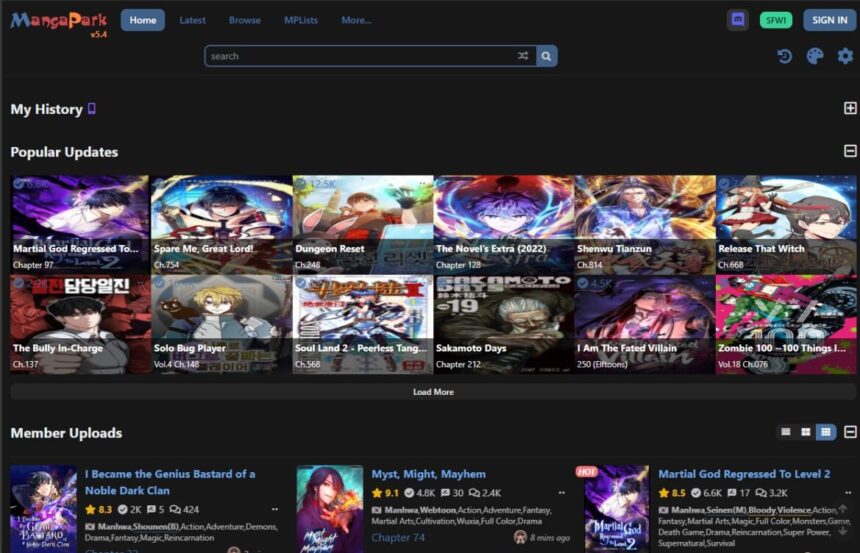
MangaPark has long been a go-to destination for manga readers thanks to its huge library and clean layout. But downtime, regional blocks, and shifting content availability push many fans to look elsewhere. Whether you want faster updates, a different reading interface, or a backup site for when MangaPark is unreachable, there are plenty of solid options out there. Below is a of 17 MangaPark Alternatives worth bookmarking, along with what each one does well and where it falls short.
MangaStream
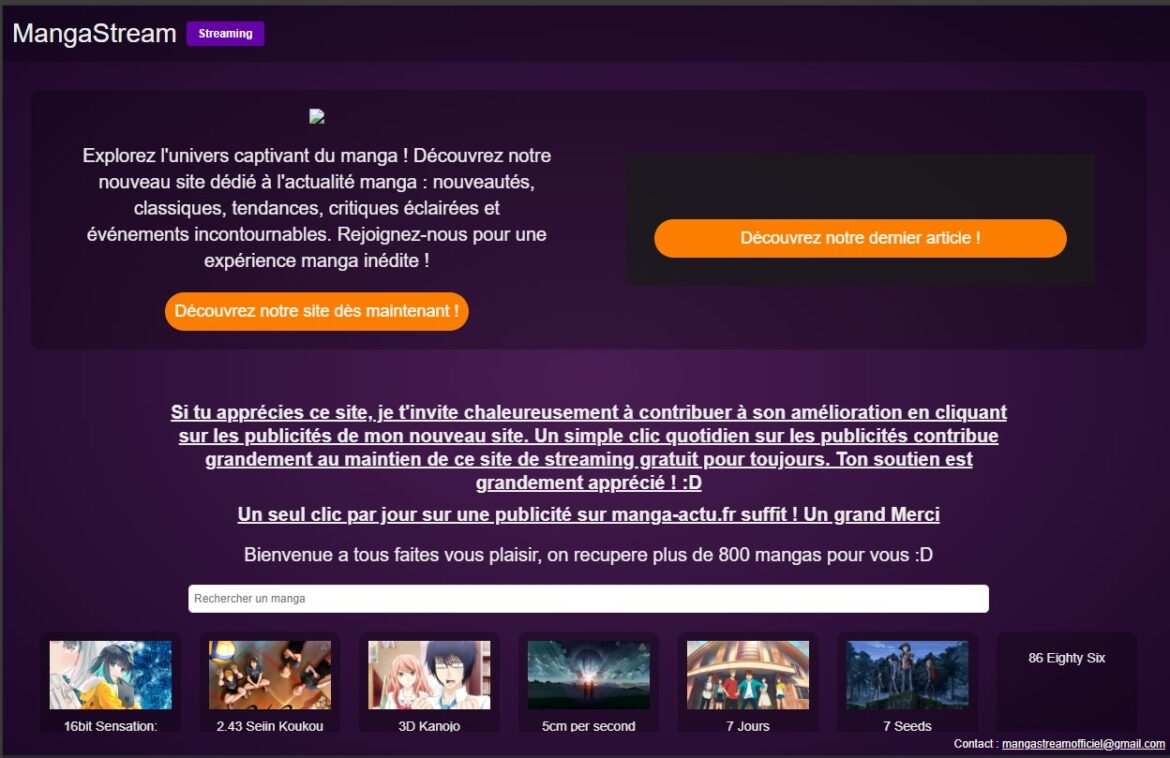
MangaStream built its reputation as a fast-updating hub for popular ongoing series, especially shonen titles. Readers appreciated the no-frills approach: minimal ads, clear chapter listings, and quick releases after new chapters dropped in Japan. It became a favorite among fans who wanted to stay current without digging through cluttered sites or waiting weeks for scanlation groups to catch up.
The site’s focus on a curated selection rather than an exhaustive catalog meant fewer titles overall, but higher reliability for the series it did carry. Its community also valued the straightforward reading experience over flashy design. While the original site’s availability has shifted over time, its influence on scanlation culture and reading habits is still felt.
Pros:
– Fast chapter updates for popular series
– Clean, distraction-free reading layout
– Strong reputation within the scanlation community
– Minimal intrusive advertising
Cons:
– Smaller overall library compared to bigger aggregators
– Limited to popular titles, fewer niche series
– Availability has been inconsistent over the years
MangaReader

MangaReader is one of the oldest and most recognizable names in online manga reading, known for its simple search tools and broad genre coverage. It caters to readers who want an easy way to browse by title, genre, or status, without needing an account to get started. The interface prioritizes function over flash.
Its long history means MangaReader has built a large archive spanning countless series, from classics to newer releases. Navigation is straightforward, with bookmarking and history features that help returning readers pick up where they left off. It remains a dependable fallback when other sites are down or missing specific titles.
Pros:
– Extensive archive covering many genres
– Easy navigation and search filters
– No mandatory account required to read
– Long-standing, well-known platform
Cons:
– Older interface feels dated compared to newer sites
– Ad load can be heavier on some pages
– Update speed varies by series
MangaHere

MangaHere combines a large catalog with community-driven features like comments, ratings, and reading lists. It’s designed for readers who like a bit more interaction alongside their manga, offering forums and user profiles that make the experience feel less like a static archive and more like a hub for manga fans.
Beyond the social layer, MangaHere offers decent update frequency and a mobile-friendly reader that adjusts well to phone screens. Genre tagging is thorough, making it easier to find similar titles once you finish a series. It’s a solid middle-ground option between bare-bones readers and heavily commercialized platforms.
Pros:
– Community features like comments and ratings
– Mobile-friendly reading interface
– Detailed genre and tag filtering
– Regularly updated catalog
Cons:
– Ads can be intrusive on free access
– Some translations are slower for niche titles
– Site layout can feel busy for new users
MangaRock
MangaRock was once celebrated for its polished app experience and offline reading support, which made it especially popular among mobile-first readers. Its recommendation engine suggested titles based on reading habits, and the customizable reader let users tweak fonts, backgrounds, and page layouts to their liking.
The app-first design meant MangaRock felt more like a dedicated reading tool than a typical website, which won over readers who preferred a native app experience. While its official app has faced availability issues over time, its design influenced many later manga reader apps that adopted similar offline and customization features.
Pros:
– Offline reading support for mobile users
– Highly customizable reading interface
– Smart recommendations based on reading history
– Clean, app-like user experience
Cons:
– Official app availability has been inconsistent
– Fewer web-based features compared to browser sites
– Smaller community compared to bigger platforms
Readmanga

ReadManga is popular among readers who want a straightforward, no-nonsense reading experience with a large catalog spanning many languages and regions. It’s frequently used as a secondary source for titles that are harder to find on English-only aggregators, making it valuable for readers exploring international scanlation communities.
The site’s layout emphasizes quick access to chapters over elaborate design, which appeals to readers who just want to get to the content fast. Search and filter tools are functional, if basic, and the update pace for ongoing series is generally reliable, especially for titles with active fan translation groups.
Pros:
– Wide language coverage beyond English
– Fast, functional chapter access
– Reliable updates for actively translated series
– Good for discovering region-specific titles
Cons:
– Interface feels basic compared to modern sites
– Navigation can be confusing for new visitors
– Inconsistent quality across different translation groups
MangaFreak

MangaFreak appeals to readers who want a bare-bones, fast-loading site without unnecessary extras. Pages load quickly even on slower connections, and the catalog covers a wide range of genres, from mainstream shonen to lesser-known seinen titles. It’s a practical choice when speed matters more than aesthetics.
The site organizes manga by popularity, genre, and recent updates, making it easy to spot trending series at a glance. While the visual design hasn’t changed much over the years, that consistency means returning users always know exactly where to find what they’re looking for without relearning a new layout.
Pros:
– Fast page loading, even on weak connections
– Simple organization by genre and popularity
– Broad coverage of mainstream and niche titles
– Consistent, predictable layout
Cons:
– Visual design feels outdated
– Limited extra features like community tools
– Ad placement can interrupt reading flow
MangaFox
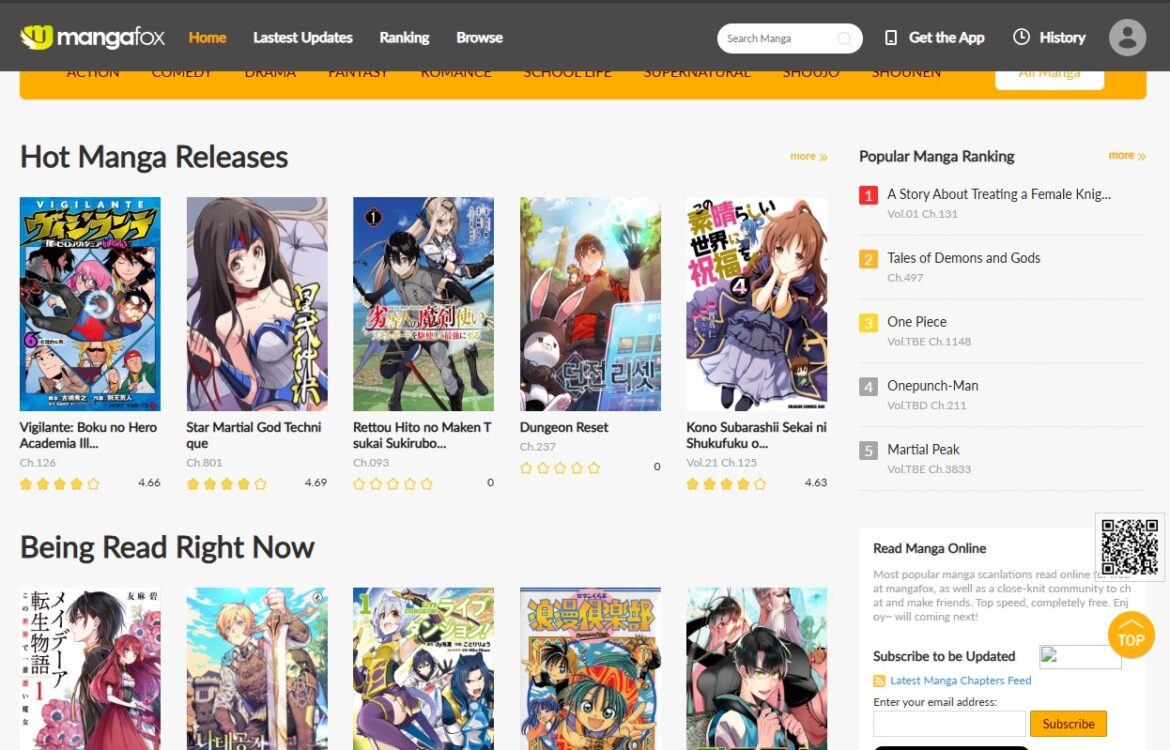
MangaFox has built a name around a massive library and dependable update schedules, making it a favorite for readers following multiple ongoing series at once. Its search functionality supports detailed filtering, so users can narrow results by status, genre, or release year without much hassle.
The reading interface supports multiple viewing modes, including single-page and continuous scroll, catering to different reading preferences. MangaFox also maintains detailed series pages with synopses and related recommendations, helping readers discover new titles based on what they’ve already enjoyed, similar to a curated library catalog.
Pros:
– Large, well-maintained library
– Multiple reading modes for different preferences
– Detailed series pages with recommendations
– Reliable update schedule for popular titles
Cons:
– Can feel overwhelming due to sheer catalog size
– Some pop-up ads on free tiers
– Slower updates for obscure series
Mangaeden

Mangaeden stands out for its minimalist design and focus on core reading functionality without unnecessary clutter. The site keeps its interface clean, prioritizing the manga itself over banners, pop-ups, or heavy branding, which appeals to readers who find most aggregator sites visually overwhelming.
Alongside its simple design, Mangaeden supports community scanlation projects, giving smaller translation groups a platform to publish their work. This makes it a good spot for discovering fan-translated titles that might not appear on larger commercial-style aggregators, especially for older or less mainstream series.
Pros:
– Minimalist, clutter-free design
– Supports independent scanlation groups
– Good source for lesser-known titles
– Lightweight pages that load quickly
Cons:
– Smaller mainstream catalog than bigger sites
– Less frequent updates for popular series
– Community-driven quality can vary
Merakiscans
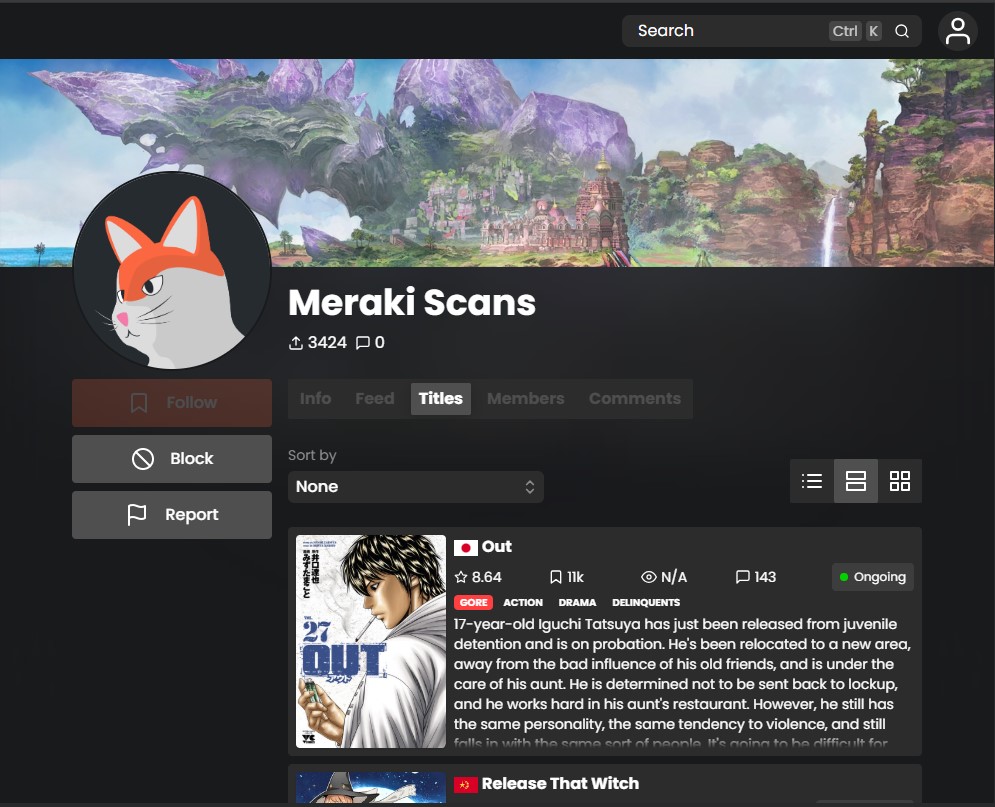
Merakiscans focuses on quality translations for a curated set of series, prioritizing accuracy and readability over sheer volume. It’s run more like a dedicated scanlation group’s home base than a sprawling aggregator, which means readers following its specific projects get consistent, well-edited releases.
Because it operates on a smaller scale, Merakiscans can maintain tighter quality control over typesetting and translation notes, giving readers extra context for cultural references or wordplay. This makes it appealing for readers who value craftsmanship in scanlation over simply having access to the widest possible catalog.
Pros:
– High-quality, carefully edited translations
– Extra context and translation notes included
– Consistent release quality for followed series
– Dedicated, community-focused approach
Cons:
– Much smaller catalog than major aggregators
– Slower output due to careful editing process
– Limited to specific ongoing projects
MangaMe

MangaMe offers a modern, mobile-first design aimed at readers who primarily browse manga on smartphones and tablets. The layout adapts smoothly to smaller screens, with touch-friendly navigation and a reading mode built around swiping through pages rather than clicking through a desktop-style interface.
In addition to its mobile focus, MangaMe includes personalized reading lists and progress tracking, letting users pick up exactly where they stopped across devices. Genre browsing is well organized, and the site periodically highlights trending or newly added titles, helping casual readers find their next series quickly.
Pros:
– Mobile-optimized, swipe-friendly design
– Cross-device reading progress tracking
– Good discovery tools for trending titles
– Personalized reading lists
Cons:
– Less optimized for desktop browsing
– Smaller archive of older, classic series
– Occasional syncing issues across devices
MangaOwl

MangaOwl is known for combining a large catalog with a reading experience that includes both manga and light novels, appealing to readers who follow a series across different formats. Its layout keeps chapter navigation simple, with quick links to jump between volumes and related content.
The site’s search and filter system supports sorting by rating, popularity, and update recency, making it easier to find both trending hits and older completed series. MangaOwl also supports account-based bookmarking, so regular readers can keep a running list of series they’re actively following without losing track.
Pros:
– Covers both manga and light novels
– Strong search and sorting options
– Account-based bookmarking and tracking
– Broad genre and title coverage
Cons:
– Interface can feel cluttered with mixed content types
– Ad-supported free tier can be intrusive
– Update consistency varies by series
Manhuaplus
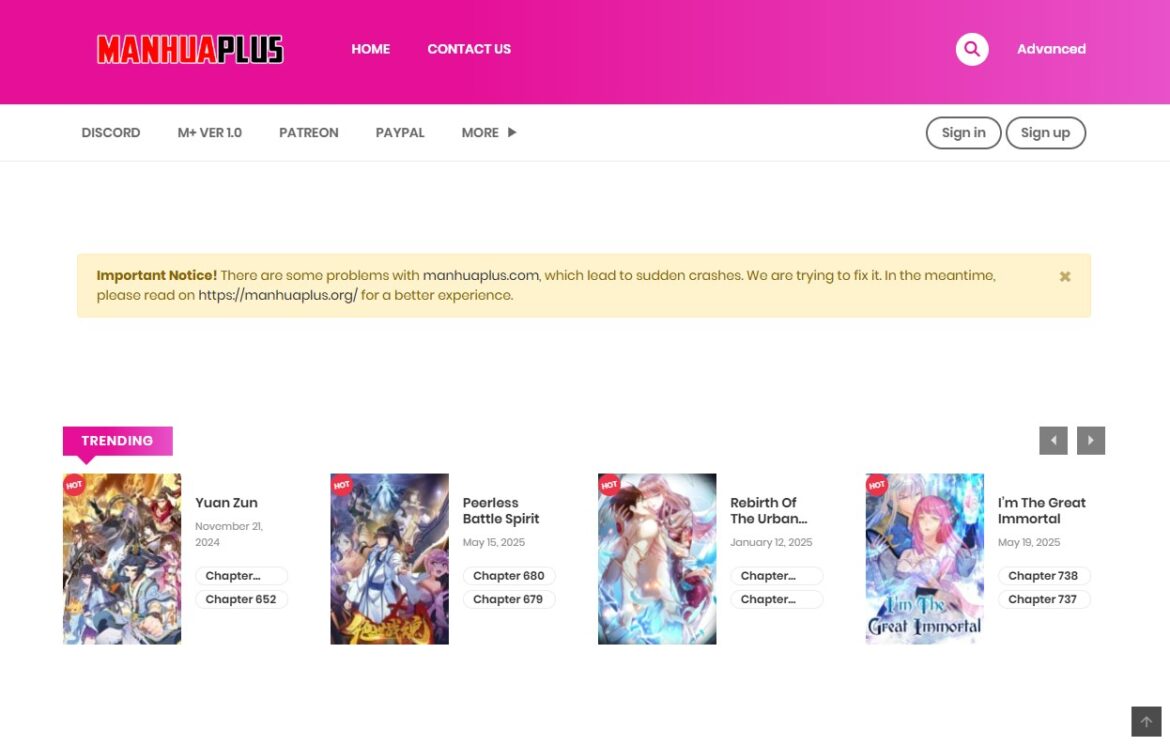
Manhuaplus specializes primarily in Chinese manhua and Korean manhwa, filling a niche for readers who want more than just Japanese manga. Its catalog leans heavily into action, fantasy, and cultivation genres that are especially popular within manhua and manhwa fandoms, with regularly updated chapter releases.
The site’s color-page support is a notable draw, since many manhwa titles are originally published in full color, and Manhuaplus preserves that presentation rather than converting everything to black and white. This makes it a preferred stop for webtoon-style readers who want the original visual experience intact.
Pros:
– Strong focus on manhua and manhwa titles
– Preserves original color artwork
– Good coverage of trending genres like cultivation and fantasy
– Frequent updates for ongoing series
Cons:
– Limited traditional Japanese manga selection
– Smaller catalog outside its core genres
– Layout can feel narrower in scope
TenManga

TenManga positions itself as an all-in-one hub covering manga, manhwa, and manhua under a single roof, making it convenient for readers who don’t want to jump between multiple sites for different regional comics. Its homepage highlights trending titles across all three categories at once.
The reading interface supports both scrolling and paginated modes, and the site includes a ranking system that tracks popularity across daily, weekly, and monthly windows. This ranking feature helps readers spot rising series early, before they become widely discussed elsewhere, which appeals to fans who like discovering new hits.
Pros:
– Combines manga, manhwa, and manhua in one place
– Popularity rankings help surface rising titles
– Flexible reading modes
– Frequently refreshed trending page
Cons:
– Wide scope can dilute focus on niche titles
– Ad density varies across pages
– Some translations lag behind original releases
Manganelo
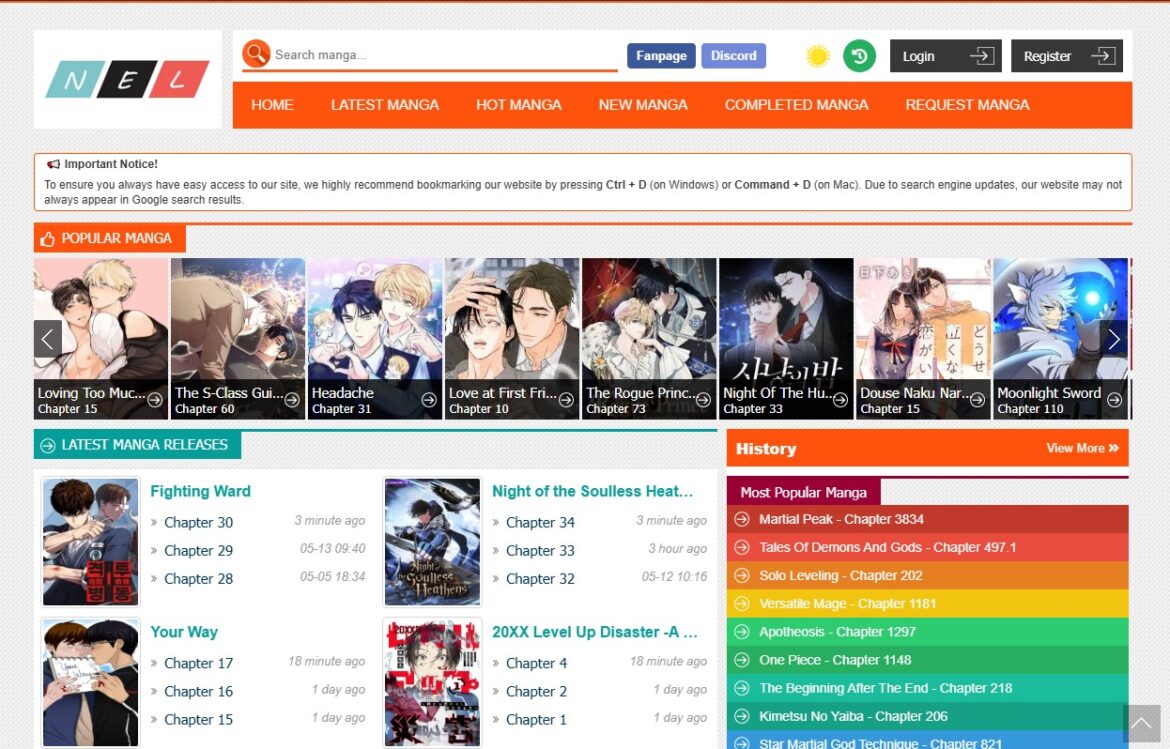
Manganelo is widely used for its fast update speed and simple, functional design that prioritizes getting readers to new chapters quickly. Its homepage is organized around recently updated series, making it easy to see at a glance which of your favorite titles have new releases available.
The site also offers a straightforward account system for bookmarking and notifications, alerting readers when followed series get new chapters. Genre and status filters are easy to use, and the overall catalog spans both popular mainstream series and a healthy selection of completed classics worth revisiting.
Pros:
– Fast updates highlighted on the homepage
– Simple bookmarking and notification system
– Good mix of ongoing and completed series
– Easy-to-use genre filters
Cons:
– Design feels basic compared to newer competitors
– Occasional ad-related redirects
– Server speed can vary by region
MangaUpdates
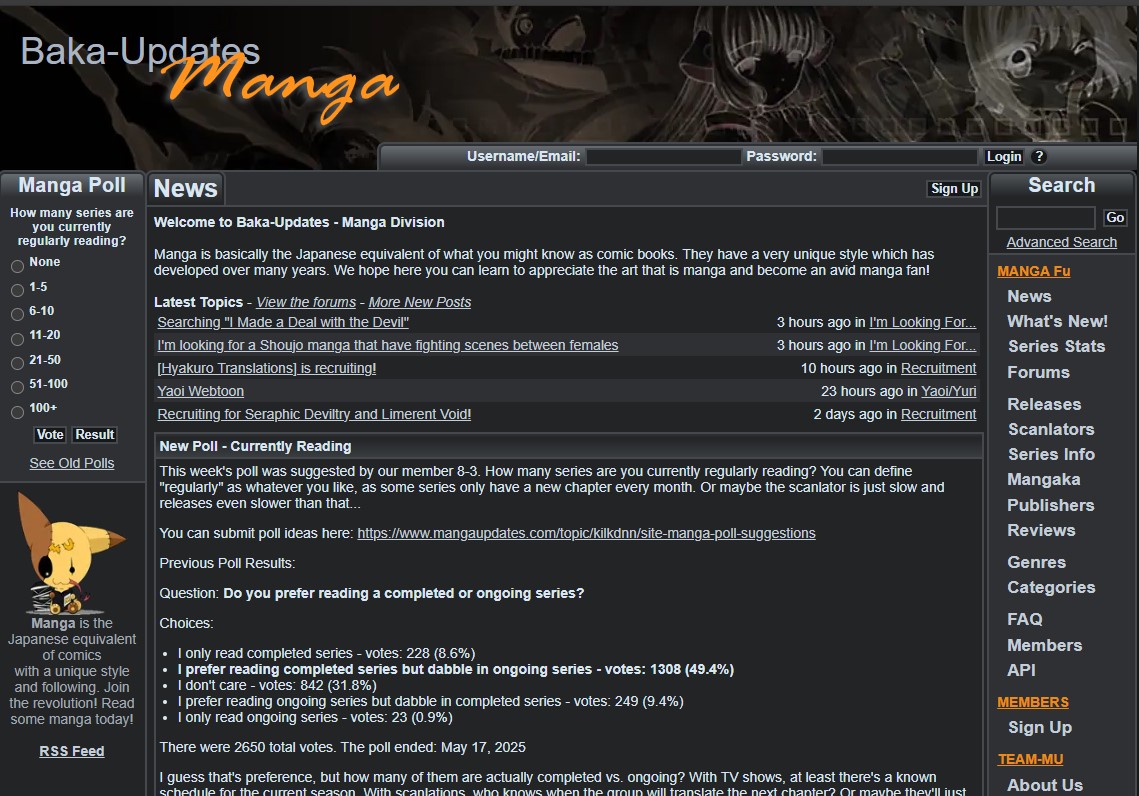
MangaUpdates functions less as a direct reading site and more as a comprehensive database and tracking tool for manga, manhwa, and manhua. It catalogs release information, scanlation group credits, and series status, making it invaluable for readers who want to track what they’ve read and follow release news.
Its community-driven database includes detailed information on authors, artists, and publication history, along with user reviews and ratings. While it doesn’t host chapters directly, MangaUpdates links out to scanlation groups and official sources, serving as a research hub for readers who want context behind the titles they follow.
Pros:
– Extensive database of series and creators
– Detailed tracking and reading list tools
– Community reviews and ratings
– Useful for research and release tracking
Cons:
– Doesn’t host chapters directly for reading
– Interface is data-heavy rather than reader-friendly
– Requires visiting external sites to actually read
MyAnimeList

MyAnimeList is primarily known as an anime and manga tracking platform rather than a reading site, but its manga database and community features make it a valuable companion tool for manga fans. Users can log completed series, rate titles, and maintain detailed reading lists across genres.
Beyond tracking, MyAnimeList hosts active forums and discussion boards where readers debate plot developments, share recommendations, and organize community rankings. Its recommendation algorithm, based on your rated titles, helps surface new series worth trying, making it a strong discovery tool even without hosting chapters itself.
Pros:
– Powerful tracking and rating system
– Active community forums and discussions
– Strong recommendation engine based on ratings
– Well-established, large user base
Cons:
– Doesn’t host manga chapters for reading
– Requires linking to external sites for actual reading
– Interface prioritizes lists over discovery browsing
MangaPanda

MangaPanda offers a familiar, easy-to-navigate layout aimed at readers who want quick access without extra features getting in the way. Its catalog spans a wide range of genres, and chapter pages load with minimal friction, making it a dependable backup when other sites are slow or unavailable.
The site’s search tools allow filtering by genre, status, and alphabetical listing, which helps when looking for a specific title rather than browsing trends. While its design hasn’t evolved much over the years, that consistency has kept it a familiar, low-effort option for readers who prioritize simplicity above all else.
Pros:
– Simple, no-frills navigation
– Reliable backup when other sites are down
– Straightforward genre and alphabetical search
– Minimal loading friction
Cons:
– Outdated visual design
– Fewer community or social features
– Update frequency inconsistent for niche series
| Alternative | Description |
|---|---|
| MangaStream | Fast-updating hub focused on popular ongoing shonen series with a clean layout |
| MangaReader | One of the oldest platforms, offering a broad archive and simple search tools |
| MangaHere | Community-driven site with comments, ratings, and mobile-friendly reading |
| MangaRock | App-focused reader known for offline access and customizable reading settings |
| Readmanga | Multi-language site useful for discovering region-specific and international titles |
| MangaFreak | Fast-loading, no-frills site organized by genre and popularity |
| MangaFox | Large library with multiple reading modes and detailed series recommendations |
| Mangaeden | Minimalist design supporting independent scanlation groups and niche titles |
| Merakiscans | Small-scale scanlation group focused on high-quality, well-edited translations |
| MangaMe | Mobile-first platform with swipe navigation and cross-device progress tracking |
| MangaOwl | Combines manga and light novels with strong search and bookmarking tools |
| Manhuaplus | Specializes in manhua and manhwa with preserved original color artwork |
| TenManga | All-in-one hub for manga, manhwa, and manhua with popularity rankings |
| Manganelo | Fast-updating site with simple bookmarking and notification features |
| MangaUpdates | Database and tracking tool cataloging release info rather than hosting chapters |
| MyAnimeList | Tracking and community platform with ratings, forums, and recommendations |
| MangaPanda | Familiar, simple layout serving as a reliable backup reading site |
Conclusion
MangaPark remains a strong choice for manga reading, but no single site covers every need perfectly. Some alternatives shine with faster updates, others with cleaner interfaces, niche genre focus, or powerful tracking tools. The best approach is often to keep a couple of these 17 alternatives bookmarked as backups, so you always have somewhere to turn when your primary site is down or missing the title you’re looking for. Try a few from this list and see which combination fits your reading habits best.


