
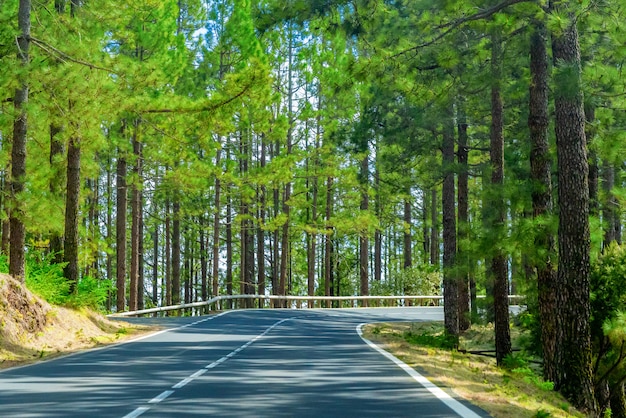
If you have ever driven through the forested roads of Norway, you know that encountering wildlife is a very real possibility. Moose, red deer, and roe deer roam freely, and occasionally, human activities intersect with their natural habitats. When conflicts, accidents, or management needs arise, a specific local authority steps in. This authority is known as viltnemnda.
Understanding what viltnemnda does is essential for anyone living in or visiting Norway, especially if you drive, hunt, or spend a lot of time in nature. Far from being just a group of hunters, this municipal committee plays a foundational role in maintaining ecological balance, ensuring public safety, and managing natural resources responsibly.
What is Viltnemnda?
The term viltnemnda translates to wildlife board or wildlife committee. Historically, these boards were state-run entities tasked with overseeing wildlife management at a local level across Norway. In 1993, a significant shift occurred. The Norwegian government transferred these responsibilities directly to the municipalities. This change recognized that local authorities are better equipped to handle the unique ecological and geographical challenges of their specific regions.
Today, you might not always see the exact word viltnemnda used in every municipality. Depending on local organization, the tasks might be handled by groups called fallviltgruppe, jegerkorps, or integrated directly into the municipal environmental department. Regardless of the naming convention, the core mandate remains identical. They operate under the regulations of the Norwegian Wildlife Act, specifically focusing on local wildlife administration, conservation, and conflict resolution.
The people serving on these boards or working in the field units are typically locals with extensive knowledge of biology, animal behavior, and hunting. Their deep understanding of the local terrain makes them uniquely qualified to make decisions that affect both the animal populations and the community.
Core Responsibilities and Wildlife Management
The primary purpose of viltnemnda is to ensure that wildlife is managed in a way that preserves productivity and species diversity in nature. They hold a wide array of responsibilities that go far beyond responding to emergencies.
One of their most critical tasks is managing hunting quotas. Norway has large populations of big game, including moose, red deer, and wild reindeer. Without proper management, these populations can explode, leading to starvation during harsh winters, severe damage to commercial forests, and a drastic increase in traffic accidents. The wildlife board reviews population data and issues quotas dictating how many animals can be harvested during the hunting season.
Furthermore, they actively promote wildlife conservation. This involves mapping critical habitats, protecting important migration routes, and working with urban planners to ensure that new housing developments or roads do not destroy vital ecological corridors. They also process applications for damage control hunting. If a specific animal is causing severe damage to agricultural crops or posing a threat to livestock, the board can authorize a controlled culling outside the regular hunting season.
Handling Traffic Accidents Involving Wildlife
Perhaps the most visible and emotionally charged aspect of the board’s work involves fallvilt. This term covers animals that are found sick, injured, or dead outside of the normal hunting season. A large percentage of this work stems from vehicular collisions with big game.
When a driver hits an animal on a Norwegian road, strict legal protocols apply. It is not a criminal offense to accidentally hit an animal, but failing to report the collision is strictly against the law. If an accident happens, the driver must stop the vehicle, secure the scene by turning on hazard lights and placing a warning triangle, and immediately contact the police. The police then dispatch the local viltnemnda or their specialized emergency response team.
These response teams are on call around the clock. When they arrive at the scene, their primary goal is animal welfare. If an animal is severely injured and beyond saving, the team will humanely euthanize it to prevent further suffering. If the animal has fled into the forest, the situation becomes much more complex.
This is where trained tracking dogs come into play. The wildlife board personnel use highly specialized tracking dogs to follow the scent of the injured animal through rough terrain, often in the dark or under poor weather conditions. Drivers are strongly advised never to follow an injured animal themselves. Not only is a wounded moose or deer incredibly dangerous, but human footprints can also ruin the scent trail for the tracking dogs.
Managing Urban Wildlife and Community Conflicts
As urban areas expand, human communities increasingly encroach on natural habitats. This inevitably leads to friction. Viltnemnda acts as a mediator in these situations, balancing the needs of the residents with the welfare of the animals.
In suburban areas, residents frequently report issues with roe deer eating garden plants, aggressive badgers, or birds nesting in inconvenient locations. The wildlife committee provides guidance on how to secure property without harming the animals. They educate the public on the importance of not feeding wild animals, as this can lead to unnatural dependency and aggressive behavior.
In cases where wildlife poses a direct threat to human safety, such as an aggressive moose trapped in a residential neighborhood or a diseased fox near a school, the board has the authority to intervene directly. They prioritize non-lethal methods whenever possible, such as tranquilizing and relocating the animal, but will take lethal action if public safety is at immediate risk.
Funding and the Municipal Wildlife Fund
Managing wildlife populations and maintaining a 24-hour emergency response team requires significant resources. To finance these operations, municipalities utilize a dedicated wildlife fund.
This fund generates revenue from a few key sources. Hunters pay fees for hunting licenses and access to municipal lands. Additionally, when the wildlife board is forced to cull an animal or euthanize one that has been injured in traffic, the meat does not go to waste. As long as the meat is deemed safe for human consumption by the Norwegian Food Safety Authority, it is sold locally. The proceeds from these sales go directly back into the municipal wildlife fund.
These funds are strictly earmarked for wildlife-related purposes. They pay for the equipment used by the tracking teams, public education campaigns, habitat restoration projects, and subsidies for landowners who build fences to keep wildlife away from roads or crops. This self-sustaining financial model ensures that the cost of wildlife management does not place an undue burden on regular taxpayers.
Adapting to Modern Ecological Challenges
The work of viltnemnda is constantly evolving to meet new environmental challenges. Climate change is altering the landscape of Norway, affecting migration patterns, food availability, and the prevalence of diseases among wild populations.
For example, milder winters can lead to higher survival rates for certain species, requiring adjustments to hunting quotas to prevent overpopulation. Conversely, changes in vegetation can threaten the delicate balance of the mountain ecosystems where wild reindeer thrive. The wildlife boards work closely with national environmental agencies and researchers to monitor these shifts. They collect biological samples from deceased animals, such as brain tissue and feces, to track the spread of diseases like Chronic Wasting Disease or avian flu.
Their role in data collection is vital for national scientific research. Every time they track an injured animal, monitor a local herd, or map a migration corridor, they contribute to a broader understanding of Norway’s ecological health. This grassroots data allows national policymakers to make informed decisions about environmental protection and biodiversity.
Conclusion
The role of viltnemnda is a perfect example of effective, localized environmental stewardship. By delegating wildlife management to the municipal level, Norway ensures that the people making the decisions are the ones most familiar with the local ecosystems. They wear many hats, functioning as conservationists, emergency responders, and community educators. Whether they are carefully calculating hunting quotas to preserve the balance of a forest, tracking an injured moose through a snowy ditch in the middle of the night, or advising a homeowner on how to protect their property, their work is indispensable. They stand as a crucial bridge between human development and the wild, ensuring that both can coexist safely and sustainably for generations to come.


